Dried Fruit Health, Shelf Life, Storage & Nutrition Guides

Is Dried Fruit Healthy? Benefits, Sugar & What to Watch Our For
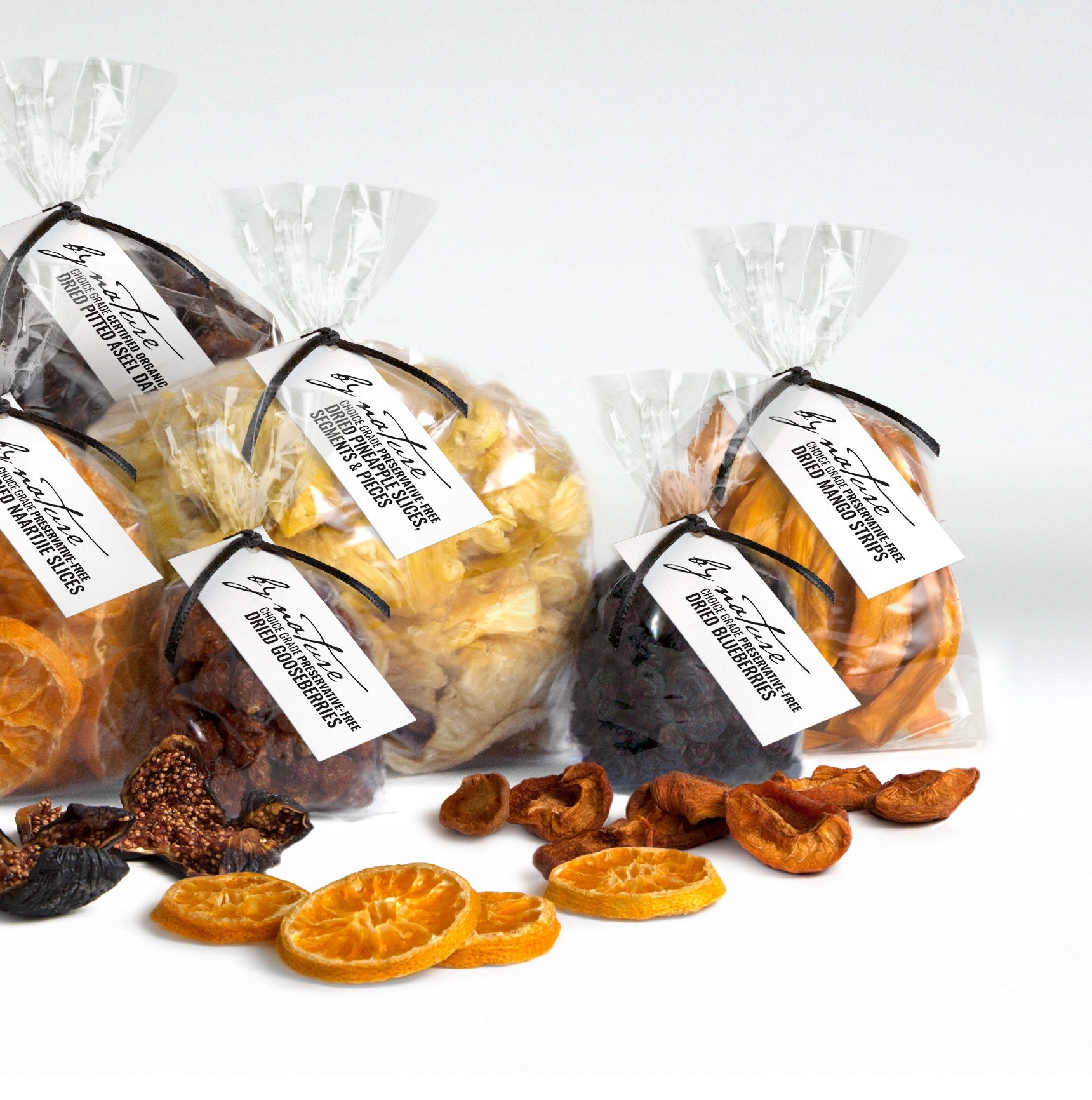
Pick up a packet of dried mango at your local Woolies and you'll notice something interesting: the serving size listed is 40g, roughly a small handful. Most people eat the whole bag in a single sitting, then feel vaguely guilty afterwards. That guilt is exactly what this article is here to untangle. The conversation around the healthiness of dried fruit tends to swing between two equally unhelpful extremes. On one side, you've got the wellness crowd insisting it's "just sweets with good PR." On the other, you've got naturopaths recommending it as a superfood for everything from digestion to iron deficiency. The truth, as always, lives somewhere inbetween. So let's talk about what dried fruit actually is, what it does in your body, and how to make it work for you rather than against you. What Happens to Fruit When You Dry It? When fresh fruit is dried, whether mango from a Limpopo farm, pineapple from Bathhurst, or figs from the Western Cape West Coast, you're essentially removing most of the water content. A fresh fig is about 79% water. A dried fig is around 30%. That's a significant change, and it affects the fruit in two important ways. First, the nutrients become more concentrated. The fibre, potassium, iron, and antioxidants that were spread through a piece of fruit are now packed into a smaller, denser package. Second, the natural sugars become more concentrated too. This is the crux of the debate, and it's worth being honest about it: yes, dried fruit is high in natural sugar. But the source and context of that sugar matters enormously. A medium fresh apple contains about 19g of sugar and 95 calories. A 40g portion of dried apple contains a similar amount of natural fruit sugar, but you've also got the fibre to slow absorption, plus a hit of minerals that the fresh version carries. Nothing has been added. Nothing has been changed except the water content. That's very different from eating a handful of wine gums. WORTH KNOWINGRaisins contain more iron per gram than fresh grapes ~ about 1.9mg of iron per 100g, compared to 0.36mg in fresh grapes. For South Africans dealing with iron-deficiency anaemia (one of the most common nutritional deficiencies in the country), this makes raisins a genuinely useful dietary addition. The Sugar Question: Let's Be Honest Yes, dried fruit is calorically dense. Yes, it's easy to overeat. A 100g portion of dried mango can contain upwards of 65g of carbohydrates, and if you're managing blood sugar or following a low-carb eating plan, that matters. It would be dishonest to gloss over this. But context is everything. The glycaemic index (GI) of dried fruit is generally lower than you'd expect given the sugar content, largely because of fibre and the presence of naturally occurring compounds that slow digestion. Dried figs, for example, have a GI of around 61 (moderate, not extreme). Dried apricots sit even lower, around 30 to 32. Compare that to white rice at 72 or a slice of white bread at 75, and the picture starts to look different. The problem isn’t dried fruit itself. It’s how easily we eat more of it than we realise. A 30g portion of raisins is a perfectly reasonable snack. A 200g bag of raisins eaten while watching a series on a Wednesday night is a different situation entirely. "The problem isn’t dried fruit itself. It’s how easily we eat more of it than we realise." Dried Fruit in South Africa: What's Actually Available and What to Avoid South Africa produces and imports a wide variety of dried fruit, but not all of it is created equal. Local production is genuinely impressive: the Northern and Western Cape are two of the world's leading producers of dried fruit, particularly raisins, figs, prunes, and apricots. The Orange and Olifants river regions are responsible for the bulk of our raisin production, and it's a serious agricultural operation, not a niche cottage industry. What you'll find in most South African retailers falls into a few categories. There's the soft, bright and colourful products full of preservatives and oiled for appearance. Then there's the imitation stuff: "dried fruit" products that have been soaked in sugar syrups, glazed, or had artificial flavours and colours added to them. A few niche companies supply the more natural stuff: unsweetened, sulphur-free dried mango, figs, raisins, pineapple, apple, apricots, and a harvest of others (hint: that's us). The first two categories genuinely deserve the "just sweets" criticism. By Nature's offering doesn't. The simplest rule: read the ingredient list. If the only ingredient is the fruit itself, you're holding a decent product. If the second ingredient is sugar (or glucose syrup, or anything ending in "-ose"), put it back. This applies whether you're shopping at Pick n Pay, Dischem, or a health shop on Kloof Street in Cape Town. Also worth knowing: sulphur dioxide (listed as SO₂ or E220 on packaging) is widely used as a preservative in dried fruit, particularly apricots, to maintain their bright orange colour. It's not dangerous for most people, but if you have asthma or sulphite sensitivity, the unsulphured varieties, which are darker and less visually appealing but equally nutritious, are worth seeking out. By Nature, Faithful to Nature, and a few others stock sulphur-free options. The Case for the Bestselling Dried Fruits in South Africa Let's get specific about a few of our customer favourites, because the nutritional profile varies quite a bit across different dried fruits. Dried mango is arguably the most popular dried fruit in South Africa right now, and for good reason. It's delicious and rich in vitamin C, beta-carotene, and folate. It's also the one most likely to have added sugar, so checking the label is non-negotiable. Unsweetened dried mango is tart, chewy, and genuinely satisfying, a very different product from the imported neon-orange sugar-coated slices you'll find in some popular retailers. If you can find Western Cape or Limpopo-grown mangos, even better: the Keitt and Tommy Atkins varieties grown there dry beautifully. Dried pineapple is our favourite dried fruit. Pineapple is naturally tart, and so many commercial dried pineapple producers add sugar. The unsweetened versions are delicious, chewy, bright, and tangy, but can be harder to find. Look for them in our online shop, at health-focused stores or buy directly from farms if you're near Bathhurst or northern KwaZulu-Natal. Dried figs are genuinely underrated. They are one of the best non-dairy sources of calcium you can eat (a 100g serving provides around 162mg) and they're also high in fibre and potassium. South Africans who grew up in the Boland or Swartland often remember fig trees in backyards, and the dried versions carry that same nostalgia. They work brilliantly in baking, on cheese boards, and as a natural sweetener in smoothies. Raisins are the workhorse of dried fruit. They've been in South African kitchens forever (think bobotie, yellow rice, hot cross buns, and school lunchboxes). Nutritionally, they punch well above their humble reputation: high in antioxidants (particularly polyphenols), a decent source of iron and potassium, and contain boron, which supports bone density. The fact that they're inexpensive and widely available makes them one of the most practical healthy snacks. Dried apple is an underestimated lunchbox staple. They retain a surprising amount of the quercetin (an antioxidant) found in fresh apples, particularly if the skin is left on during drying. They're mild enough for kids who reject most other dried fruit and work beautifully with cheese or in oats. Who Should Be More Careful With Dried Fruit? There are people for whom the concentrated sugar in dried fruit is a real medical concern. They may need to avoid dried fruit entirely, or at least be more intentional under the supervision of medical specialists. If you're following a strict low-carb or ketogenic eating plan, dried fruit is probably not your friend in any significant quantity. A single date contains around 18g of carbohydrates that's most of a keto day's carb budget. For children, dried fruit can be one of the better lunchbox options, but portion matters. Smaller packets of raisins are well-portioned if they contain around 20 to 30 g of raisins (a heaped tablespoon), which is an appropriate serving for a child. The challenge comes when adults eat them the same way they'd eat a packet of chips, which is more or less without stopping. For active adults, people eating a broadly balanced diet, or those trying to reduce their reliance on ultra-processed snacks, dried fruit is a genuinely good option when eaten thoughtfully. "Dried fruit is a genuinely good option when eaten thoughtfully." How to Actually Use Dried Fruit Well Eating dried fruit well is less about restriction and more about intention. A few practical approaches that work for us: Pair it with protein or fat: a small handful of raisins with a portion of almonds or walnuts makes a genuinely sustaining snack. Use it as a flavour enhancer rather than the main event: a tablespoon of chopped dried figs in overnight oats or a quinoa salad adds sweetness without going overboard. Replace added-sugar snacks: if you're currently reaching for biscuits or sweets mid-morning, a 30g portion of dried mango or apple segments is a demonstrably better swap. Not because it has zero sugar, but because it comes with fibre, micronutrients, and satiety. Pre-portion it: don't eat from the bag. Measure a serving into a small bowl. This single habit eliminates most of the overconsumption problem without requiring willpower. Use it in cooking: raisins in a lamb tagine, figs with camembert on a cheese board, pineapple pieces in a trail mix for hiking. When dried fruit plays a supporting role in a dish, it's almost impossible to overdo it. LOCAL CONTEXTSouth Africa's dried fruit industry is concentrated in the Western Cape and produces for both local consumption and export. The Hex River Valley supplies around 60% of South Africa's table grapes, a portion of which go into raisin production in facilties near the Orange River. When you buy local dried fruit, you're supporting a farming community with deep historical roots in the region, not an abstract global supply chain. Real Questions Is dried fruit better or worse than fresh fruit? Neither. They're different. Fresh fruit has higher water content and slightly lower caloric density per portion, which makes it easier to eat a reasonable amount without overdoing sugar. Dried fruit has more concentrated nutrients and a longer shelf life, making it a practical option when fresh isn't available or convenient. The honest answer is that both have a place in a balanced diet, and the "worse" label only sticks when you eat three times the serving size. Can I eat dried fruit if I'm trying to lose weight? Yes, but quantity matters. The caloric density of dried fruit means it's easy to eat 200 calories' worth in about 90 seconds without noticing. If you're actively tracking intake, count it accurately. A 30g portion of raisins is around 90 calories. Within that portion, it's a smart snack: high in fibre, satisfying, and far better than most processed alternatives. Just don't eat it by the handful standing mindlessly in front of the pantry. What's the healthiest dried fruit you can buy in South Africa? Unsweetened, unsulphured apricots and figs are consistently at the top for nutritional value. High in fibre, iron, calcium, and potassium. Raisins are a close second for their antioxidant and iron content. Dried mango and pineapple are excellent when unsweetened. The honest answer is whichever unsweetened, unpreserved dried fruit you'll actually eat in sensible portions. Why does dried fruit sometimes have sulphur dioxide in it and is that safe? Sulphur dioxide (E220) is used as a preservative and to maintain the bright colour of light-coloured dried fruits like apricots, mango, and pineapple. For most people, it's safe in the quantities found in food. If you have asthma or sulphite sensitivity, you may notice reactions like headaches or breathing difficulty, in which case look for "sulphur-free" or "unsulphured" products — they're typically darker in colour but nutritionally equivalent. Very few major South African retailers stock the unsulphured varieties that we do. How should I store dried fruit to keep it fresh? An airtight container in a cool, dark place will keep most dried fruit in good condition for three to six months. In South Africa's warm climate, particularly during summer, the fridge is a better option than the pantry, especially for figs and apricots. If you buy in bulk, portion into smaller bags and freeze what you won't use within a month. Properly frozen dried fruit keeps well for up to a year without significant loss of quality. A Final Thought The best thing you can do right now is check what's already in your kitchen. Flip the packet over, read the ingredients, and make a better choice the next time you shop. Make a habit of having a quick read of the ingredients on packaging. The fewer, more natural, the better.
Learn more